
A running-load total misses the starting event
Source-based explanationAGN 068 explains that starting an induction motor imposes high initial kVA demand, followed by changing demand as the motor accelerates. Both alternator behavior and engine response need consideration. [1]
Use & limitsThe application note does not prescribe one multiplier for all motors or generator sets.
What to ask next
Editorial checklist
- List each major motor’s running demand, starting method, driven equipment and starting sequence. Obtain motor data rather than guessing from a generic table.
- Identify loads already connected when the largest motor starts. State whether multiple motors can start together.
Separate active and apparent demand
Source-based explanationAGN 087 defines power factor as the relationship between active kWe and apparent kVA. For a buyer brief, retain both quantities and the relevant load condition. [2]
Use & limitsA kW/kVA conversion is arithmetic, not an equipment-sizing result.
What to ask next
Editorial checklist
- Ask the engineer or equipment maker to identify the load assumptions and input data used in the sizing calculation.
- Separate running PF from starting behavior and flag UPS, drives or other sensitive loads for specific review.
Ask for a traceable sizing response
Source-based explanationOur recommended deliverable is a supplier sizing report tied to the actual load list, offered set and agreed performance limits. AGN 068’s discussion of the motor-starting event explains why the event needs its own evidence. [1]
Use & limitsA supplier calculation is a design submission, not an independently witnessed site test.
What to ask next
Editorial checklist
- Agree acceptable voltage and frequency dip, recovery time and load steps before ordering.
- Record ambient temperature, altitude and any future expansion separately. Ask the supplier to state unresolved assumptions and proposed verification tests.
RESEARCH IN VIEWDecision framework
01
Define the briefOutput, duty and site conditions
02
Match the packageModel, components and delivery basis
03
Check the evidenceEntity, documents and test scope
04
Record the gapsClarify exceptions before comparing
Sources, dates and scope
2 references. Each record keeps its own review date. A manufacturer disclosure is not an independent test; a retrieval date is not a price-effective date. Hover, focus or tap a numbered reference to inspect its source.
- [1]Alternator application notewww.stamford-avk.com
STAMFORD | AvK · AGN 068: Motor Starting and Generating Set Considerations ↗
Use & limits
Use with the offered alternator data and motor starting method; this note does not supply a universal generator sizing multiplier.PDF pp.1–3, A Motor Starting and Engine Considerations
Publication date not stated · Issue B; date not established · Reviewed 2026-10-22View the recorded evidence
Motor starting introduces inrush kVA and changing kW demand as the motor accelerates; alternator and engine response both matter.
- [2]Alternator application notewww.stamford-avk.com
STAMFORD | AvK · AGN 087: Power Factor ↗
Use & limits
Actual load power factor is not fixed at 0.8; a unit conversion does not validate engine output or size a complete set.PDF p.1, Definitions; subsequent capability discussion
Publication date not stated · Issue C; date not established · Reviewed 2026-10-22View the recorded evidence
Power factor relates active kWe to apparent kVA. Conventional alternator ratings use 0.8 lagging power factor.
Continue your research
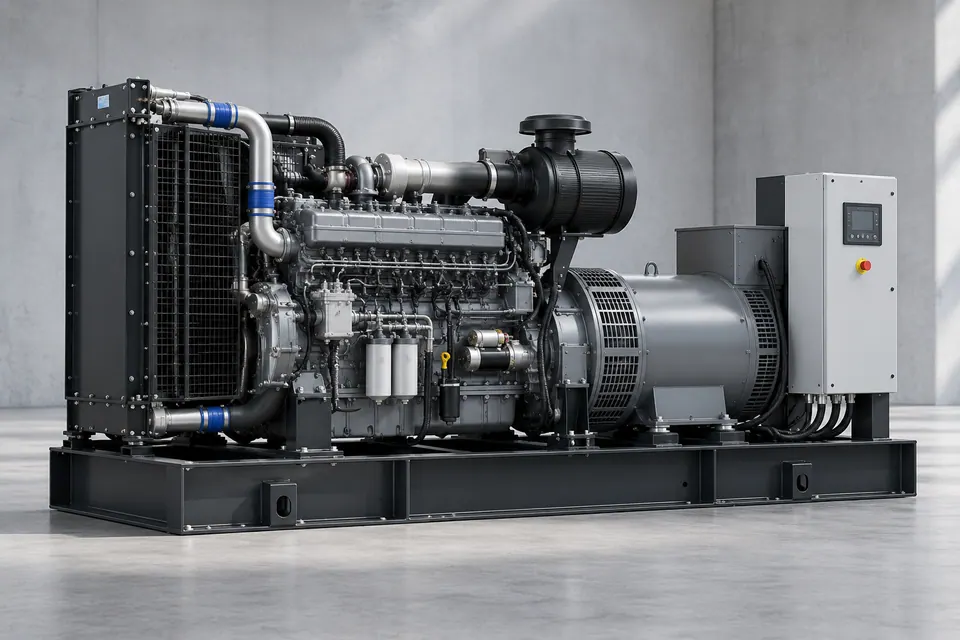
Sourcing guide
Diesel Generator Suppliers in China: A Buyer’s Research Guide
Compare supplier evidence, understand advertised prices and turn a power requirement into a usable generator RFQ.
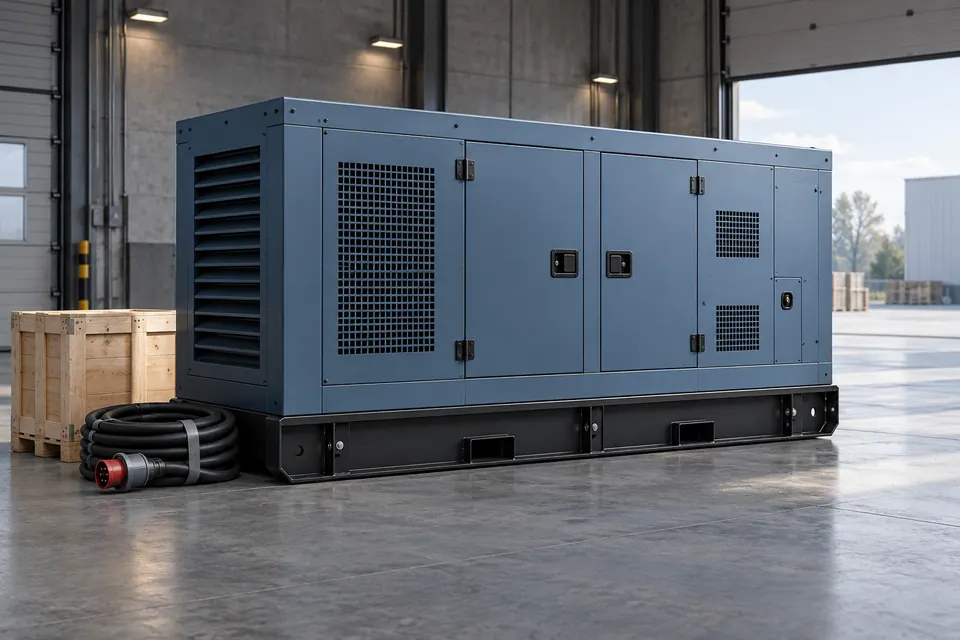
Price research
200 kW Diesel Generator Prices in China: What Listings Really Tell You
Three public listing examples show why a price needs an exact configuration, rating and commercial basis before it can be compared.
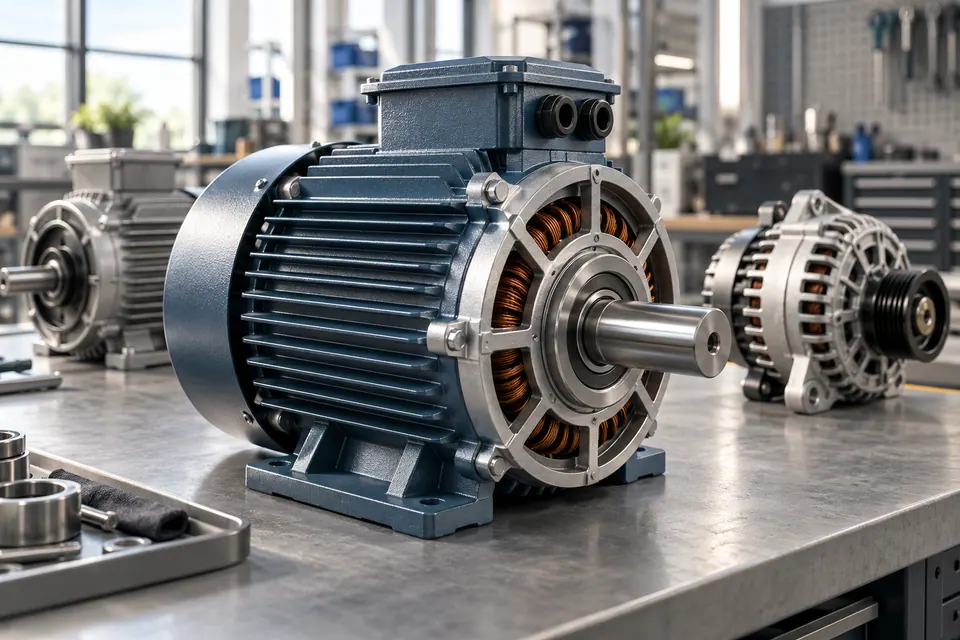
Technical guide
Diesel Generator kW vs kVA: Prime, Standby and Frequency
Use manufacturer examples and a power-unit calculator to separate electrical output, duty rating and engine application data.
Industry data
China Generator Industry Data: 2026 Sales and Export Indicators
Read association and government figures with their original periods, units and product coverage intact.
Supplier research
How to Check a Diesel Generator Supplier and Its Documents
A supplier evidence comparison, certificate checks and an RFQ template for shortlisting generator offers.
Technical guide
How a Diesel Generator Set Works
Follow the engine, alternator, controls and transfer interface, then ask for evidence for the complete package.
Technical guide
Prime vs Standby vs Continuous Generator Ratings
Keep the manufacturer’s duty definition with the number before comparing generator capacity.
Technical guide
Open vs Silent vs Containerized Diesel Gensets
Compare weather protection, acoustic evidence and service access as separate requirements.
Regional research
China’s Diesel Genset Supply Chain: Research by Manufacturing Role
Use named company and government records to distinguish engine plants, alternator factories and complete-set assembly.
Buyer guide
Diesel Generator RFQ Checklist: What to Send Before Asking for a Price
Create a common specification, inclusion list and evidence request for every candidate.
Buyer guide
Comparing Generator Quotations on Equal Terms
Resolve technical and delivery differences before comparing quotation totals.
Buyer guide
Factory Testing vs Site Acceptance for Diesel Generators
Agree what each test proves, what remains to be checked and which records link to the delivered set.
Buyer guide
Engine Brand vs Genset Manufacturer: What the Name Proves
Separate component identity, complete-set assembly, authorization and warranty evidence.


 A useful correction